Over 1.1 billion tourists have travelled to international destinations between January and September this year, about 50 million more than in the same period of 2024. Photo credit. ADB.
ASEAN wants quality over quantity when it comes to tourism. Amid backlash against overtourism in some popular destinations, the regional grouping seeks to advance sustainable, inclusive, responsible, and high-quality tourism development in Southeast Asia.
In October, ASEAN leaders issued a declaration reaffirming their commitment to strengthening efforts to create high-quality tourism. In the declaration, ASEAN defines quality tourism as sustainable, inclusive, and responsible governance and management of infrastructure, facilities, products, and services that provide quality, value, and unique experiences while preserving natural, cultural, and heritage values. The leaders issued the declaration during the 47th ASEAN Summit in Kuala Lumpur.
The leaders acknowledged the vital contribution of the tourism sector in driving socio-economic growth in the region, generating employment, and enhancing people-to-people ties, while preserving local cultures, heritage, and the environment.
Before the COVID-19 pandemic in 2020, tourism accounted for about 12.1% of ASEAN’s combined gross domestic product (GDP) and provided 42 million jobs. Tourism stalled due to the pandemic, with international tourist arrivals declining by more than 80%, and tourism revenue dropping by 75% amid travel curbs. In BIMP-EAGA, arrivals plunged 76% and tourism receipts shrank 79.1% to $6.2 billion.
Global tourism is now recovering. According to UN Tourism’s latest World Tourism Barometer, over 1.1 billion tourists travelled to international destinations between January and September this year, up 5%, or about 50 million more than in the same period of 2024.
The World Economic Forum estimates that by 2034, global tourist visits will reach 30 billion and contribute $16 trillion to global GDP.
However, the sector’s growth also comes with the specter of overtourism.
While good news for many economies dependent on tourism for revenues and employment, perennial problems associated with overtourism—congestion and environmental degradation, among others—plagued popular destinations. Locals in top destinations across Europe have mounted protests, demanding their governments curb overtourism. They complain of overcrowding in popular sites, expensive housing, and strains on services like water, waste management, and the environment.
The post-COVID-19 travel boom is now fanning fears of overtourism in Asia. According to the World Tourism Barometer, arrivals in Asia and the Pacific grew 8% in the first 9 months of 2025, reaching 90% of pre-pandemic numbers as the region continues to recover.
Enhancing understanding
Amid concerns of overtourism, ASEAN leaders agreed to strengthen cooperation to enhance the understanding of quality tourism and further develop quality tourism. Cooperation entails sharing of best practices, expertise, and resources in tourism policies and regulations; enhancing ASEAN tourism standards; implementing ASEAN guidelines on hygiene and safety, capacity building and skills training; fostering innovation and digital transformation; and empowering local communities, women, and youth to participate in tourism activities.
ASEAN is making the shift amid growing demand for quality tourism, which focuses more on sustainable, inclusive, and responsible tourism development that is enriching and meaningful while offering unique experiences.
The leaders stressed the need to catalyze investment in tourism infrastructure and innovation, particularly in secondary and tertiary destinations, to ensure equitable and inclusive growth across the region. This way, tourists can be dispersed across the region and support balanced tourism development and regional connectivity.
Member countries also agreed to cooperate in raising awareness and promoting quality tourism by engaging and partnering with relevant stakeholders such as the private sector, including micro, small, and medium enterprises; local communities, women, and youth.
They also welcomed ASEAN’s external partners to support the region’s endeavor to further develop quality tourism with ASEAN being the key driver. They leaders also tasked ASEAN tourism ministers to work closely together with other relevant ASEAN sectoral ministerial bodies to explore cross-sectoral collaboration to implement activities of common interests, and to consider developing joint programs and activities.
Way forward
In a white paper released in November, the World Economic Forum said systematic ecosystem coordination is the way forward. Rather than treating the tourism sector as several separate industries competing for resources, the ecosystem approach recognizes travel and tourism as an interconnected network where aligned action across five enablers—infrastructure; finance; technology and innovation; people and skills; and policy and governance—transforms challenges into opportunities for inclusive growth.
The paper cited successful application of this approach across the world. It noted common patterns: multistakeholder governance structures with real authority, integrated planning that serves both visitors and residents, revenue-sharing mechanisms that distribute benefits equitably, and systematic coordination across the five critical enablers that amplify tourism’s positive impacts while mitigating negative externalities.
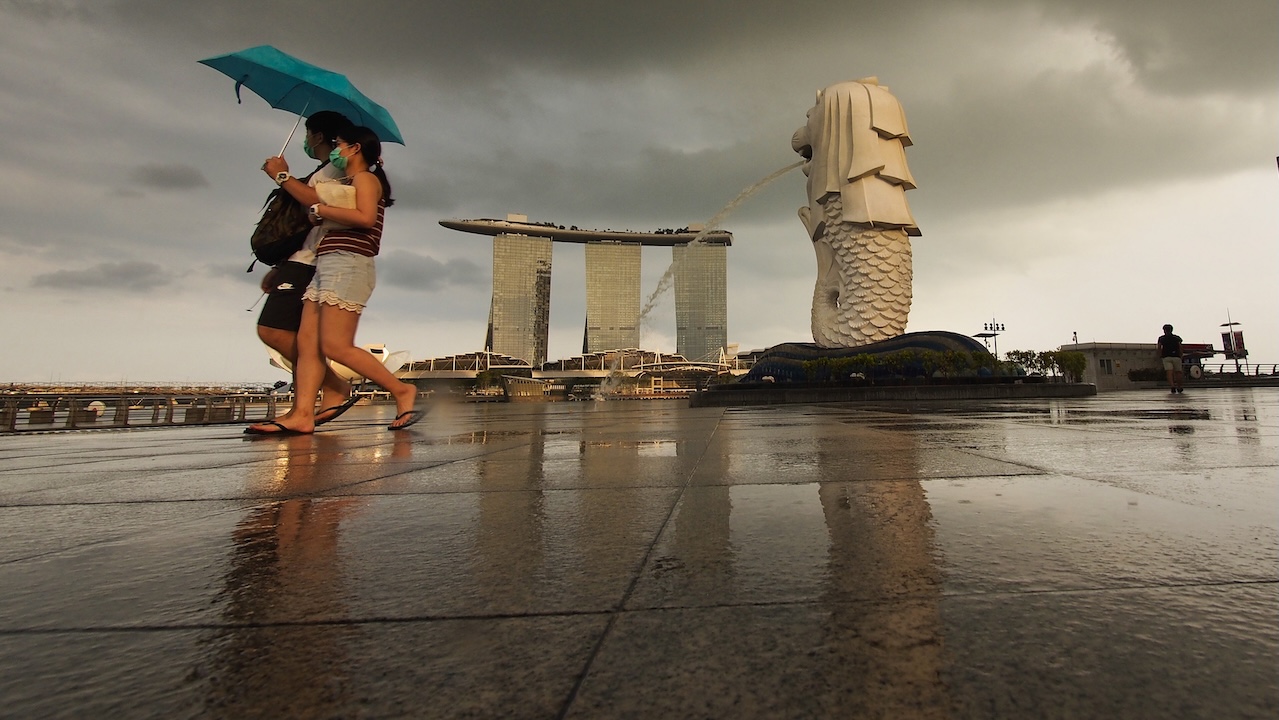
Singapore is an example as it demonstrated that ecosystem coordination can turn tourism into an enhancer of city life rather than a competitor with it. Tourism was integrated into national development planning to ensure the city-state can attract tourists without undermining cultural authenticity and the citizens’ quality of life in terms of space and resources. Large-scale precincts such as Marina Bay and Sentosa were developed as mixed-use properties, with housing, business facilities, public spaces, and cultural venues. Airports, attractions, and residential districts were seamlessly connected through the rail system, serving both residents and visitors. The Singapore Tourism Board worked with economic development agencies to tie tourism to broader growth priorities. Tourism was also woven into the country’s Smart Nation initiative, which is a whole-of-nation program to build a thriving digital future.